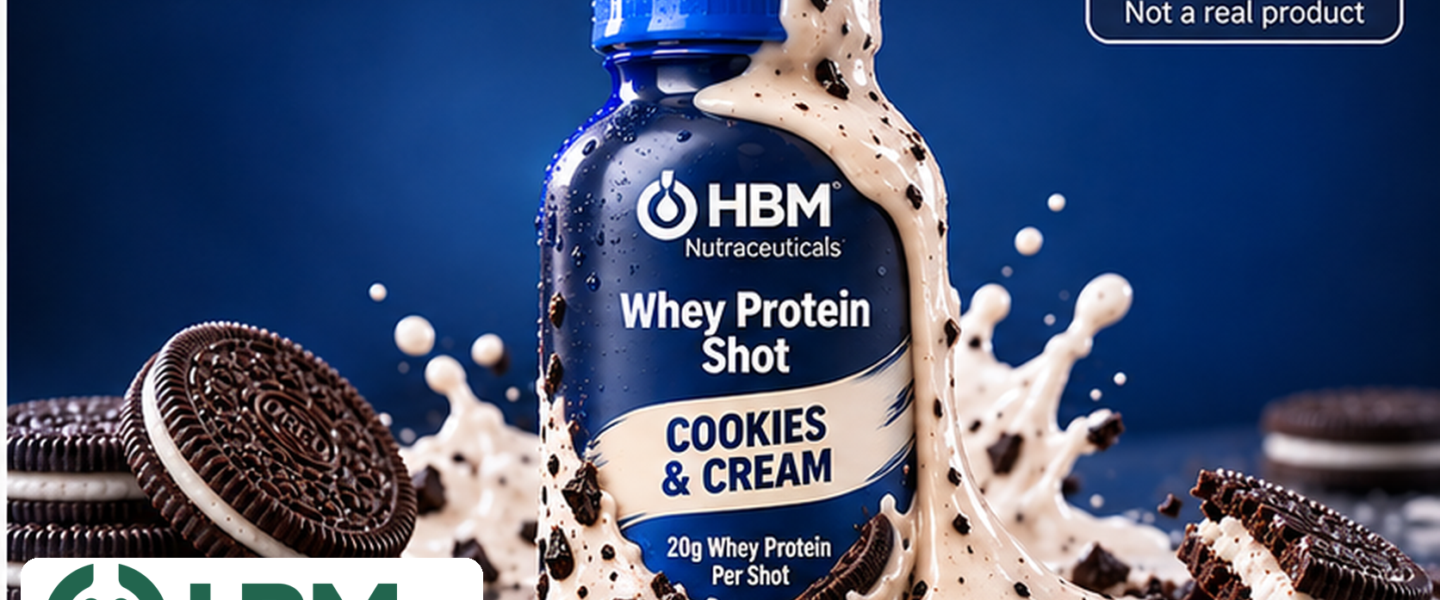
Whey protein shots vs protein powder may offer the same ingredient in two packages, but commercially they are different systems. Powder asks the consumer to measure and mix. A shot asks the manufacturer to solve the dose, flavor, texture, stability and package before the product reaches the shelf. Neither format is automatically superior. The stronger choice is the one that fits the consumer occasion, target dose, retail channel, sensory promise and manufacturing plan.
Whey protein shots vs protein powder start with the use occasion
Powder is familiar to sports-nutrition consumers who want to adjust serving size or combine protein with other ingredients. It also avoids transporting water in the finished product. However, mixing quality, texture and flavor consistency partly depend on the consumer.
A ready-to-drink shot targets a different moment: travel, work, post-training convenience or a compact daily routine. The format can broaden the audience beyond traditional powder users, but the smaller volume raises a central question: how much protein can the product carry while remaining pleasant to drink and stable through shelf life?
Ingredient form should follow the finished matrix
Whey protein concentrate, isolate and hydrolysate create different briefs. Concentrate can support a creamy, cost-sensitive product, but it may bring more lactose, fat and opacity than a refined isolate. Isolate can suit a protein-forward formula, while hydrolysate may offer processing advantages in some systems. Hydrolysis can also release bitter peptides, so flavor and use level require careful work. A review of whey protein hydrolysates in food applications identifies bitterness as a practical limitation rather than a reason to reject the ingredient.
The decision is therefore not simply concentrate versus isolate. Supplier specifications, protein quality, dispersibility, allergen labeling, cost, heat history and compatibility with the chosen liquid base all influence the outcome.
Dosage and consumer audience shape the package
Powder can accommodate larger serving masses because the consumer supplies the liquid. A shot must carry its declared protein within a fixed fill volume, leaving less room for flavor, sweetener, stabilizers and other actives. Higher concentration may increase viscosity, chalkiness or drying sensations, so a compact bottle does not automatically support an aggressive protein target.
Audience matters just as much. Performance users may prioritize protein grams and amino-acid profile. Busy professionals may value portability, while lifestyle consumers may respond to taste and a familiar flavor. Front-label claims must match the verified serving and applicable requirements. Under the Code of Federal Law, terms such as high, good source and more have defined conditions; positioning does not replace claim qualification.
Taste color and texture carry more weight in a shot
Consumers expect to mix powder with water, milk or another beverage. A shot arrives as the final experience. Whey source, heat treatment, sweetener and flavor influence dairy notes, bitterness and aftertaste. Chocolate, vanilla, coffee and cookies-and-cream can support opacity, while clear or fruit-forward concepts demand a different protein and acid strategy.
Color must also remain acceptable over time. Browning, flavor fade, sediment, haze or a visible ring can change how consumers judge the product even when the protein target remains on specification. HBM’s functional beverage manufacturing platform allows the formula, process and package to be developed as one system rather than as separate decisions.
Stability separates a powder brief from a liquid brief
A dry powder program focuses on moisture control, flow, flavor protection, scoop or sachet accuracy and reconstitution. A liquid shot adds pH, microbial control, thermal processing, viscosity, suspension, protein aggregation and package interaction. Research on shelf-stable dairy protein beverages shows why low-acid and high-acid systems require different ingredient and processing strategies.
Protein concentration cannot be evaluated alone. Minerals, cocoa, acids, gums and sweeteners can change heat stability and mouthfeel. Bench work should progress into pilot processing and stability testing in the intended package. HBM’s liquid supplement manufacturing capabilities cover shots and functional beverages with formulation, processing, filling and scale-up handled in-house.
The commercial winner depends on the brief
Powder may be the better fit when dose flexibility, shipping efficiency and consumer customization lead the brief. A shot may be stronger when convenience, portion control, retail visibility and a finished sensory experience matter most. Brands should compare cost per serving, packaging, MOQ, channel, repeat-use behavior and expected shelf life before choosing the format.
The most useful development question is not which format is better. It is which format delivers the intended dose and experience reliably for the consumer the brand wants to reach.
Explore a whey protein shot concept with HBM
Bring your target protein dose, audience, flavor direction, fill size, shelf-life goal and commercial volume. HBM can help translate the brief into a manufacturable liquid concept with formulation, sensory, processing and packaging requirements considered from the start.
Frequently asked questions
Are whey protein shots better than protein powder?
Not universally. Shots prioritize convenience and a controlled finished experience, while powder can offer dose flexibility, mixing choice and different shipping economics. The better format depends on the product brief.
Can a small shot deliver the same protein dose as a powder serving?
It may be technically possible for some targets, but concentrating protein into a small liquid volume can affect viscosity, taste, heat stability and cost. The intended dose must be tested in the actual formula and package.
Why is stability testing important for a whey protein shot?
A liquid system can change during processing and storage. Testing helps verify protein content, appearance, flavor, texture, microbial quality and package compatibility through the intended shelf life.