Vitamin C may be familiar to consumers, but developing a commercially viable vitamin C supplement involves more than adding ascorbic acid to a gummy or liquid base. Ingredient form, dose, taste, stability and label strategy all influence the final formula. Therefore, a successful vitamin C supplement formulation starts with a clear product brief. Supplement brands should resolve the following six decisions before samples move into development.
Vitamin C Supplement Formulation Starts With the Ingredient Form
Vitamin C is commonly supplied as ascorbic acid. However, sodium ascorbate, calcium ascorbate and other mineral ascorbates are also available. According to the National Institutes of Health Office of Dietary Supplements, research has not established that one supplemental form is consistently more bioavailable than the others.
From a formulation perspective, though, the forms are not interchangeable. Ascorbic acid contributes acidity and a sharp sour taste. A mineral ascorbate changes the ingredient profile and may also contribute sodium or calcium that must be considered during formulation and label review.
The right choice depends on the dosage form, target amount, flavour direction, supporting ingredients and intended Supplement Facts panel.
Set the Target Dose Before Selecting the Format
The target dose affects nearly every downstream decision. A modest daily amount may fit comfortably into one or two gummies. In contrast, a higher-dose concept could require more gummies, larger pieces or a concentrated liquid serving.
Brands should define the intended consumer, serving size and market position before requesting samples. Otherwise, R&D may develop an appealing prototype that cannot deliver the desired label amount within a practical serving.
Additionally, the declared quantity must represent the amount of vitamin C per serving – not simply the weight of the source ingredient. FDA supplement-label regulations also require an appropriate serving-size description and percentage of Daily Value.
Deciding Whether the Product Should Be a Gummy or Liquid
Format determines how consumers experience the formula.
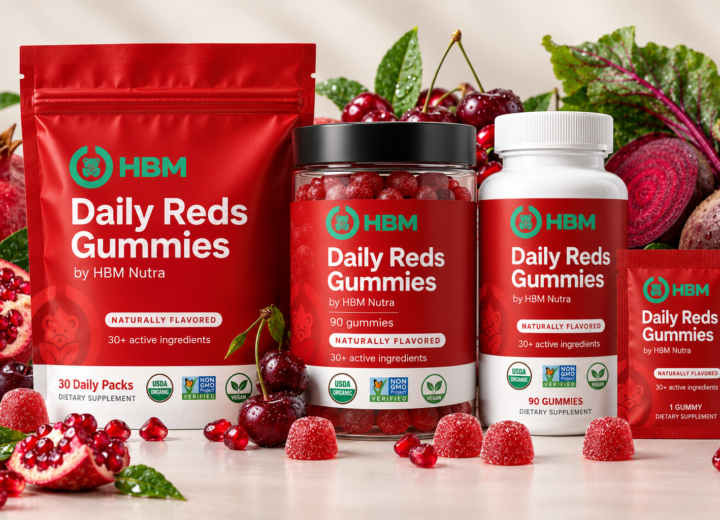
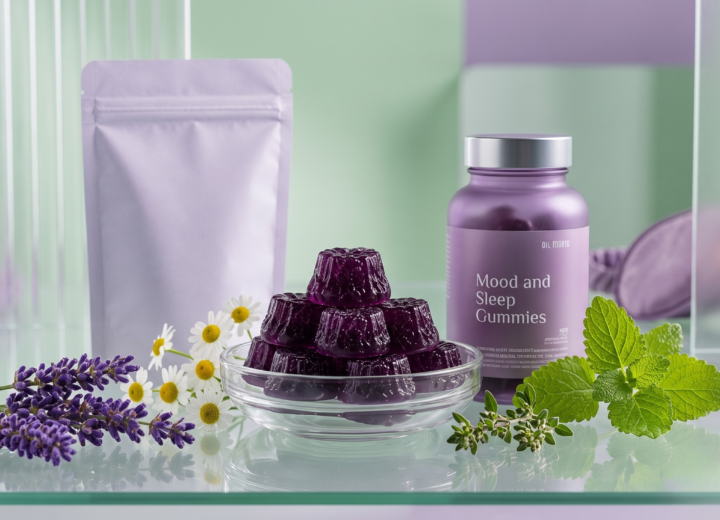
A vitamin C gummy offers a familiar daily format, but the formula must balance active load, piece size, texture, moisture and flavour. Increasing the vitamin C level can intensify sourness and affect the sensory profile, so the dose should be evaluated within the complete gummy system.
A liquid supplement provides greater flexibility for serving volume and combination formulas. However, pH, solubility, flavour and packaging become especially important because vitamin C remains in an aqueous environment throughout its shelf life.
The correct format is the one that delivers the target dose while remaining pleasant, stable and commercially practical.
Build Taste Into the Formula, Not Around It
Vitamin C naturally supports citrus, berry and tropical flavour directions. Still, a sour profile does not automatically equal a balanced product.
During development, formulators must consider sweetness, acidity, aftertaste and the sensory impact of every supporting active. For gummies, the acid system also contributes to flavour and product structure. For liquids, the same level of acidity may become more noticeable because the consumer takes the full serving at once.
Consequently, flavour work should begin during bench development rather than after the active formula has been finalised.
Plan for Stability and Packaging
Vitamin C is susceptible to oxidation. Heat, oxygen, moisture, light, processing conditions and interactions with other ingredients can influence how much remains through the intended shelf life.
For this reason, the amount added at production may not be identical to the amount targeted at the end of shelf life. Any proposed overage should be based on the formula, process and stability data, not a standard percentage copied from another product.
Packaging also forms part of the stability strategy. Container closure, headspace, moisture protection and expected storage conditions should be evaluated alongside the formula. Finished-product testing must then confirm whether the label claim remains supportable.
This quality-led approach aligns with dietary supplement CGMP requirements intended to protect product identity, purity, strength and composition. FDA
Finalise Label Positioning Before Commercial Production
A vitamin C product can be positioned around daily nutrition, antioxidant support, collagen formation or normal immune function, provided the final wording is adequately substantiated and compliant.
FDA guidance distinguishes permitted structure/function language from claims that suggest a product diagnoses, treats, cures or prevents disease. Structure/function claims must be truthful, supported and accompanied by the applicable notification and disclaimer requirements. FDA guidance
Early agreement on positioning helps R&D select compatible supporting ingredients and prevents the brand from developing a formula that does not match its intended front-panel message.
Move From Concept to a Manufacturable Vitamin C Product
The strongest vitamin C concepts connect the dose, format, flavour, stability plan and label position from the beginning.
HBM develops and manufactures gummy and liquid supplements in-house, supporting projects from bench samples through commercial production under an established cGMP quality system.
Discuss a vitamin C gummy or liquid project with HBM.
FAQ
What form of vitamin C is commonly used in supplements?
Ascorbic acid is widely used, while sodium ascorbate, calcium ascorbate and other mineral ascorbates may suit specific formulation or label requirements.
Can vitamin C be formulated into gummies and liquids?
Yes. However, each format has different limits involving dose, taste, active load, pH, moisture, processing and packaging.
Why is stability testing important for vitamin C products?
Vitamin C can degrade during processing and storage. Stability testing helps establish whether the finished product can maintain its declared amount through the intended shelf life.