The rapid adoption of GLP-1 receptor agonists has fundamentally changed the weight management landscape. Medications such as Ozempic, Wegovy, Mounjaro and Zepbound are helping millions of patients achieve clinically meaningful weight loss while improving glycaemic control and cardiometabolic health. However, these therapies are also creating an emerging demand for complementary nutritional support. Although GLP-1 medications are highly effective, many users experience gastrointestinal discomfort, reduced appetite, nutrient deficiencies, muscle loss and dehydration throughout treatment. These challenges have opened an entirely new category within the nutraceutical industry. For supplement brands, this represents a significant opportunity to formulate evidence-based products that support patients before, during and after GLP-1 therapy.
Why Do GLP-1 Side Effects Occur?
GLP-1 receptor agonists mimic the naturally occurring glucagon-like peptide-1 hormone. Their primary mechanisms include:
- slowing gastric emptying
- increasing insulin secretion
- suppressing glucagon
- improving satiety
- reducing appetite
While these mechanisms drive weight loss, they also explain why many patients experience digestive symptoms and consume significantly fewer calories. As food intake decreases, the risk of inadequate protein, vitamin and mineral intake increases, particularly during long-term treatment.
The Most Common GLP-1 Side Effects
Gastrointestinal Symptoms
The most frequently reported GLP-1 side effects include:
- nausea
- vomiting
- constipation
- diarrhoea
- bloating
- abdominal discomfort
- acid reflux
These symptoms are generally dose-dependent and tend to improve as the body adapts. However, they remain one of the leading reasons patients discontinue treatment.
Muscle Loss During Rapid Weight Reduction
One of the growing concerns surrounding GLP-1 therapy is the loss of lean muscle mass alongside fat loss. Research suggests that without sufficient dietary protein and resistance exercise, a meaningful proportion of total weight loss may come from muscle tissue. This has created increased demand for:
- protein supplements
- essential amino acids
- branched-chain amino acids
- collagen peptides
- muscle recovery formulations
Maintaining muscle mass is particularly important for older adults, athletes and patients undergoing long-term weight management.
Nutrient Deficiencies
Because many patients eat substantially less food, nutritional intake often declines. Potential deficiencies may include:
- Vitamin B12
- Vitamin D
- Iron
- Calcium
- Magnesium
- Zinc
Although deficiencies are not inevitable, healthcare professionals increasingly recommend monitoring nutritional status during prolonged therapy. This trend presents opportunities for scientifically formulated daily nutritional support supplements.
Dehydration and Electrolyte Imbalance
Reduced food intake combined with nausea, vomiting or diarrhoea may contribute to dehydration. Patients may also experience:
- headaches
- fatigue
- dizziness
- muscle cramps
Electrolyte replenishment products are therefore becoming increasingly popular within the GLP-1 support category.
How Nutraceuticals Can Support GLP-1 Users
Rather than replacing prescription medication, nutraceuticals are positioned to complement medical treatment. Several ingredient categories are receiving increasing attention.
High-Protein Nutrition
Protein remains one of the most valuable nutritional interventions during GLP-1 therapy. Benefits include:
- preserving lean muscle
- improving satiety
- supporting recovery
- reducing fatigue
- enhancing metabolic health
Protein powders, ready-to-drink beverages and protein gummies are emerging as attractive delivery formats.
Fibre and Digestive Health
Constipation is among the most common GLP-1 side effects. Soluble fibres may help support:
- bowel regularity
- gut microbiome diversity
- digestive comfort
- satiety
Prebiotic fibres also align well with broader digestive wellness trends.
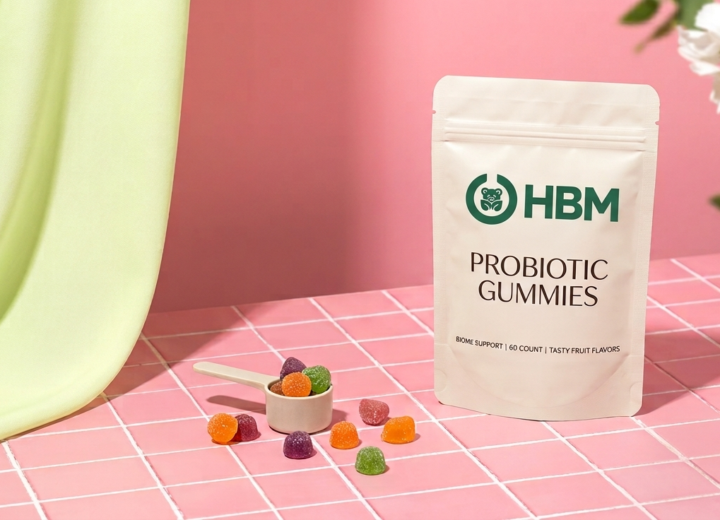
Probiotics
Although research continues to evolve, probiotic supplementation may assist patients experiencing digestive discomfort while supporting gastrointestinal balance. Formulators increasingly combine probiotics with prebiotic fibres for comprehensive gut health products.
Electrolytes
Hydration products formulated with balanced electrolytes can help replace minerals lost through reduced intake or gastrointestinal symptoms. Electrolyte powders, stick packs and gummies continue gaining popularity among GLP-1 users.
Multivitamins
Comprehensive multivitamin formulations help bridge nutritional gaps when overall food intake declines. Many brands are developing specialised formulations specifically marketed toward individuals using GLP-1 medications.
Emerging Opportunities for Supplement Brands
The global success of GLP-1 therapies has created an entirely new consumer segment. Brands are increasingly developing products specifically positioned for:
- GLP-1 nutrition support
- muscle preservation
- digestive health
- hydration
- metabolic wellness
- post-weight-loss maintenance
Rather than competing with pharmaceutical treatments, nutraceutical manufacturers have the opportunity to complement them through clinically supported formulations that improve the overall patient experience. This convergence between pharmaceuticals and nutraceuticals represents one of the fastest-growing innovation areas within health and wellness.
The Future of GLP-1 Companion Supplements
As GLP-1 medications continue reshaping obesity management, demand for scientifically formulated companion nutraceuticals is expected to accelerate.
Consumers are becoming increasingly aware that successful weight loss involves more than appetite suppression alone. Maintaining muscle, digestive health, hydration and nutritional status is essential for long-term success. For brands entering this market, success will depend on developing evidence-based formulations supported by quality manufacturing, regulatory compliance and consumer education.
Companies capable of delivering clinically relevant nutritional solutions alongside GLP-1 therapy will be well positioned within one of the industry’s fastest-growing categories.
In Conclusion
GLP-1 side effects present both clinical challenges and commercial opportunities. While prescription therapies remain central to obesity treatment, nutraceuticals can play a valuable supportive role by addressing digestive discomfort, nutritional adequacy, hydration and muscle preservation. For brands looking to innovate, GLP-1 companion supplements represent a rapidly expanding market driven by consumer demand for holistic, science-backed health solutions.
Partnering with an experienced manufacturing partner ensures these products are developed with quality, compliance and market readiness in mind.
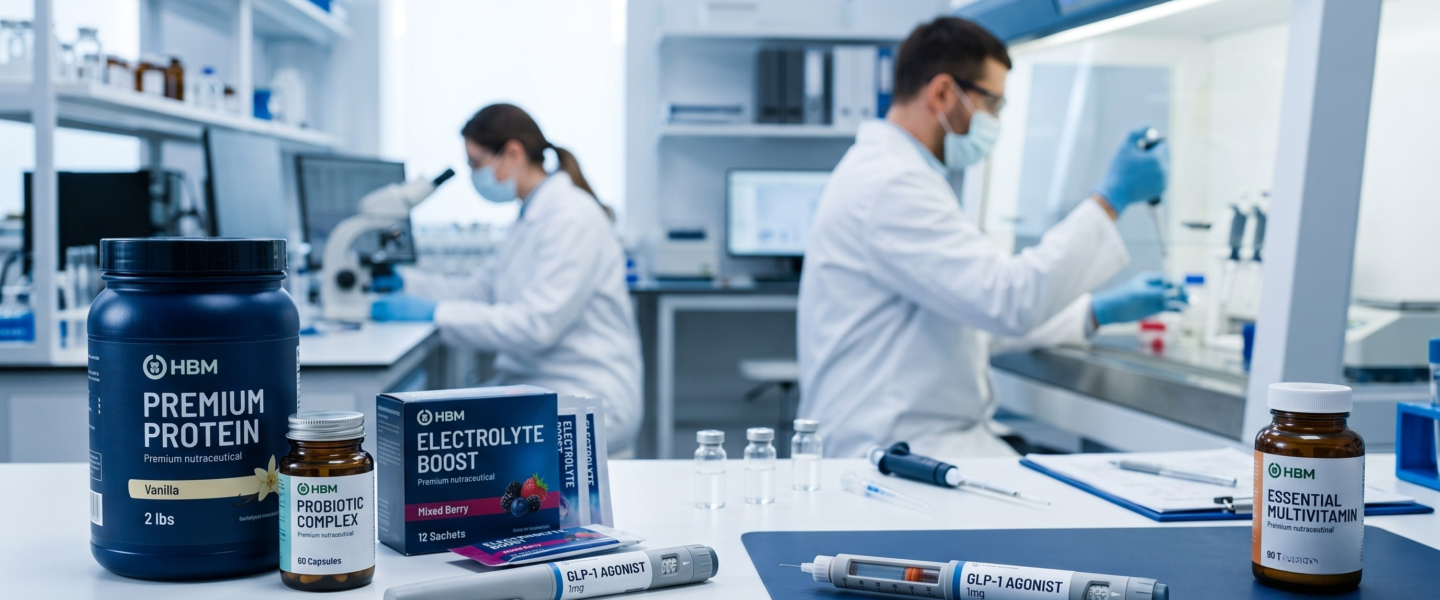
Looking to develop nutraceutical products that complement GLP-1 therapy? HBM specialises in custom nutraceutical manufacturing, offering formulation expertise, premium ingredient sourcing and scalable production for brands entering emerging health categories.
Contact HBM today to discuss your next GLP-1 support product.