Vitamin B12 looks simple on a Supplement Facts panel. In development, it is anything but. The chosen form affects sourcing and positioning. The dose influences serving size and assay strategy. Then the delivery format introduces a different set of questions around taste, color, stability, processing and packaging. For a brand, the best B12 concept is not the one with the loudest front-label number. It is the one in which form, dosage, consumer audience and format work together and still perform at commercial scale.
B12 form changes the commercial brief
Cyanocobalamin remains the most common form used in dietary supplements. Methylcobalamin is one of the metabolically active forms and can support an active-form positioning story. Hydroxycobalamin and adenosylcobalamin also appear in supplements, although less often in mainstream consumer products.
That does not make one option universally superior. The NIH Office of Dietary Supplements reports no evidence that supplemental B12 absorption rates vary by form. Therefore, the commercial decision should consider supplier documentation, price, availability, compatibility, label language and stability in the finished matrix.
Dosage and audience should be decided together
The U.S. Daily Value for vitamin B12 is 2.4 micrograms for adults and children aged four and older, but market doses vary widely. Multivitamins may use modest amounts, while standalone B12 products often reach hundreds of micrograms. A higher dose can support a particular market position, but it should follow the product brief and evidence rather than become a numbers contest.
The audience also changes the brief. A vegan-positioned gummy, an older-adult wellness liquid and a B-complex shot create different expectations around convenience, serving size and claims. Vitamin B12 may support normal energy metabolism, red blood cell formation and neurological function, but final wording must be substantiated. The FDA’s structure/function claims guidance explains why such claims must remain truthful, non-misleading and separate from disease-treatment language.
Gummy or liquid is a manufacturing choice
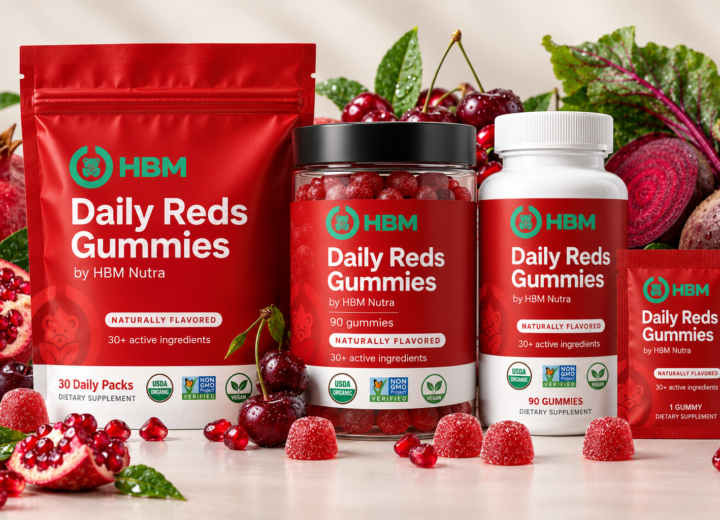
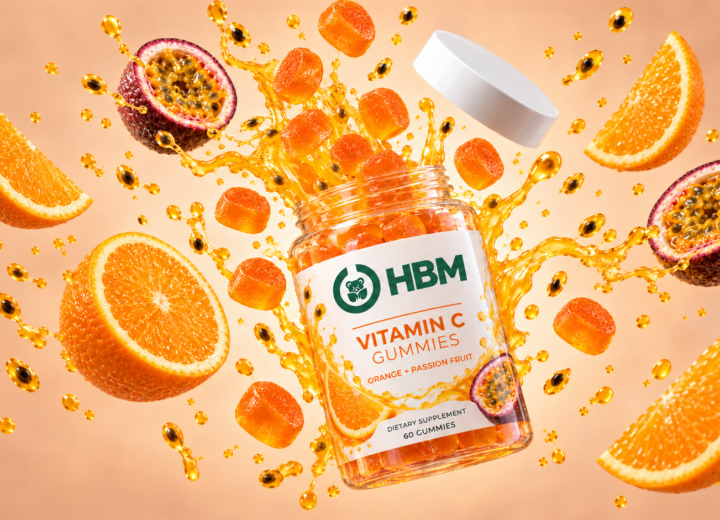
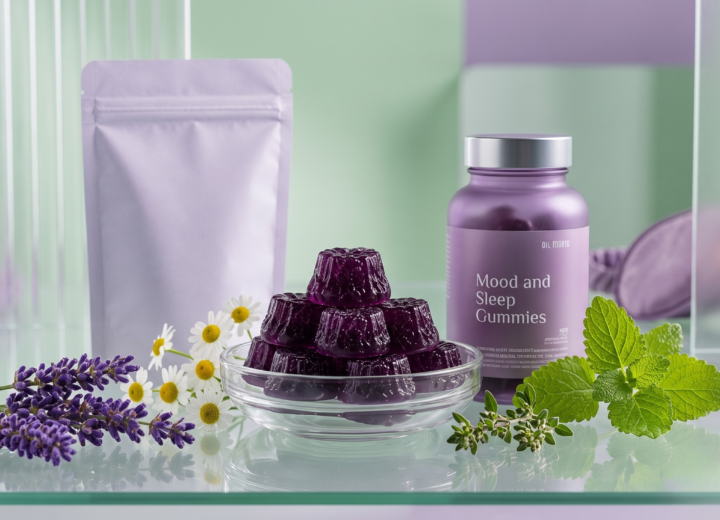
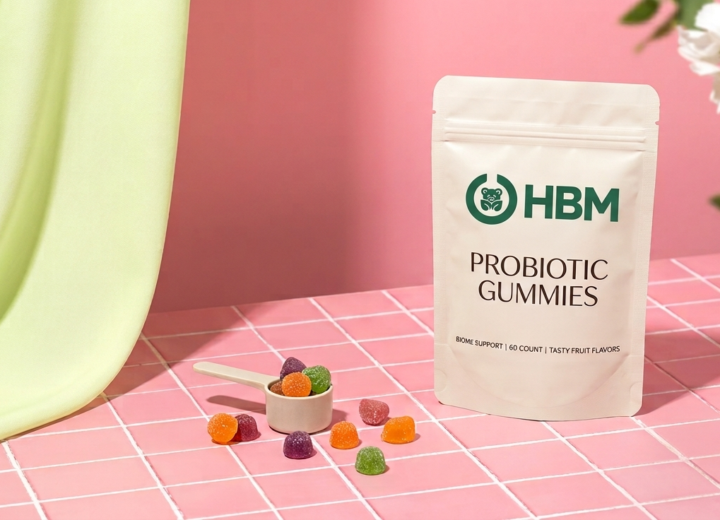
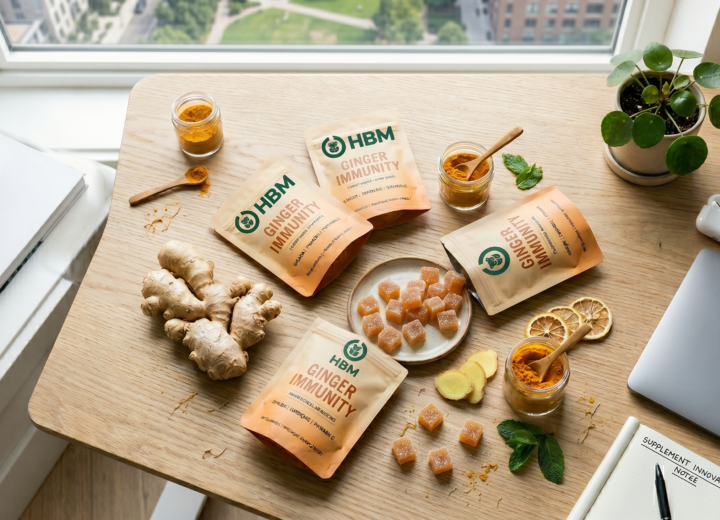
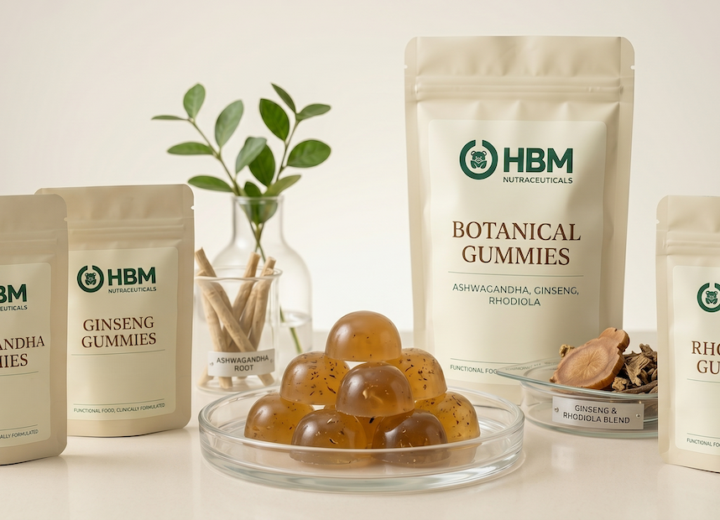
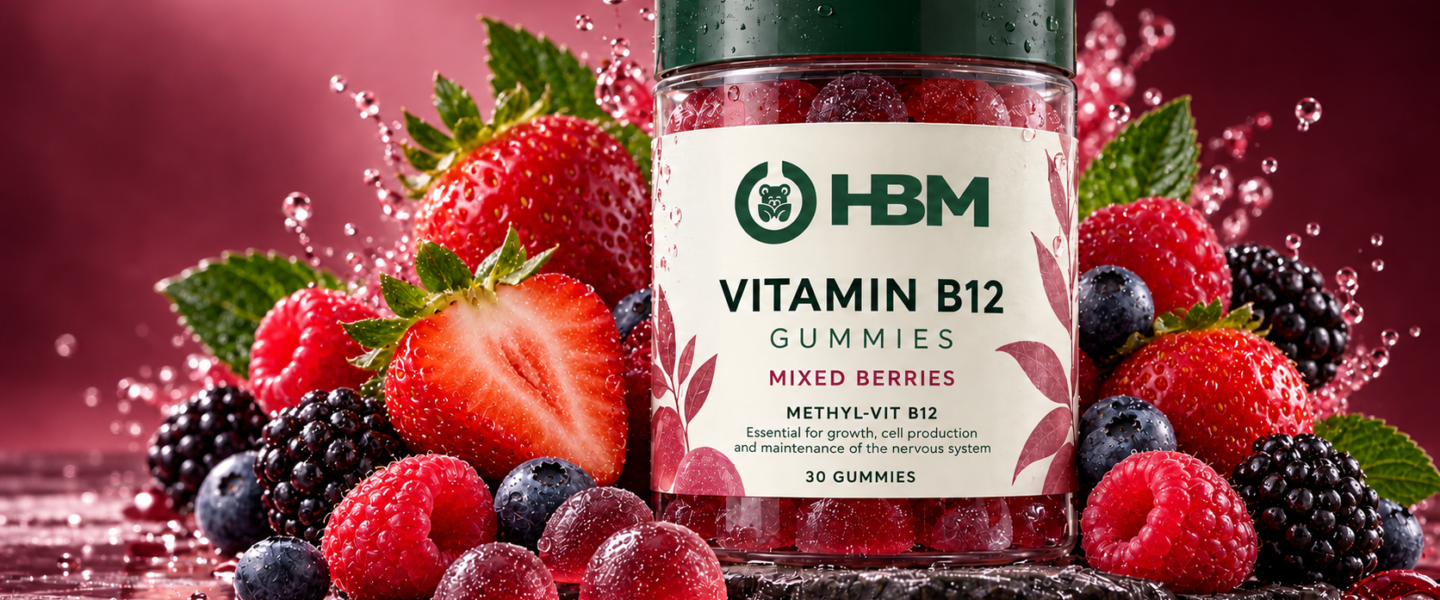
A gummy offers a familiar routine, portability and a strong flavor platform. However, B12 must still tolerate the selected process, and the finished serving must deliver a consistent amount across one or more pieces. Sweetener system, acidity, texture, piece weight and companion ingredients all compete for space in the formula. HBM’s gummy vitamin manufacturing capabilities are designed around these practical formulation and scale-up decisions.
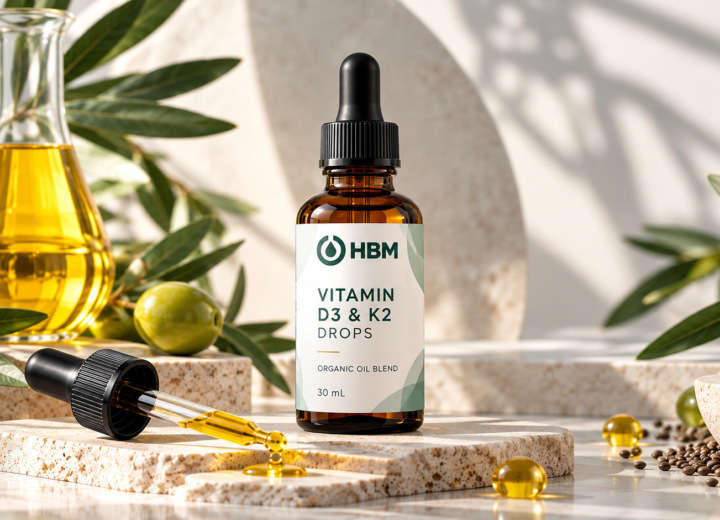
A liquid can support drops, tincture-style servings or functional shots. It may also suit consumers who prefer not to chew a gummy. In exchange, the development team must solve for solubility, pH, preservation, fill accuracy, flavor and consumer dosing consistency. HBM’s liquid supplement manufacturing platform covers aqueous, oil and glycerin systems across bottles, droppers and single-serve formats.
Taste color and stability decide what survives scale up
B12 ingredients are naturally red to pink, so they can influence clear liquids and pale gummies. The vitamin may not create the largest taste problem at a microgram dose; carriers, acids, minerals, botanicals and other B vitamins often contribute more. Still, the full formula must be evaluated together because flavor and color can shift during processing and storage.
Cobalamins can be sensitive to light and formulation conditions. Heat history, oxygen, pH, processing time, co-ingredients and packaging can all change finished-product performance. A form that works in a dry tablet should not be assumed to behave the same way in a heated gummy or water-based liquid.
Because B12 is added in very small quantities, controlled weighing, dilution and distribution matter. Finished-product specifications and stability data should confirm identity, strength, composition and shelf-life performance. These controls align with 21 CFR Part 111 current good manufacturing practice requirements, which make quality specifications part of production rather than an afterthought.
The strongest concept is designed as one system
A commercially sound B12 brief brings the form, target dose, serving size, consumer, flavor, color, supporting ingredients, package and cost target into the same conversation. That approach does not promise that one form or format will always win. It gives R&D enough information to select the option that fits the product the brand actually wants to sell.
Explore a B12 gummy or liquid concept with HBM
Bring your target audience, preferred format, dose, flavor direction and commercial goals. HBM can help translate the brief into a manufacturable gummy or liquid concept with formulation, sensory, quality and scale-up considerations built in.
Frequently Asked Questions
Is methylcobalamin always better than cyanocobalamin?
No. Methylcobalamin can support a particular label story, but current evidence does not establish one supplemental B12 form as universally superior. The decision should include formulation fit, stability, sourcing, cost and positioning.
Can vitamin B12 be used in both gummies and liquids?
Yes. Both formats are commercially viable, but they create different processing, flavor, stability, dosing and packaging requirements.
Why does stability testing matter for a B12 supplement?
Stability work verifies that the finished product continues to meet its specification through the intended shelf life in the selected formula and package.