Collagen has become one of the most commercially exploited ingredients in both skincare and supplement markets. Yet despite its popularity, confusion remains around a fundamental question: does applying collagen work, or does ingesting it deliver better results for skin health? The answer is less about marketing claims and more about biology, delivery systems, and how the body actually processes protein-based structures.
Topical Collagen: A Surface-Level Function, Not a Structural Fix
Topical collagen is widely used in creams, masks, and serums, often positioned as a firming or anti-ageing solution. The problem is not the ingredient itself, but its molecular limitations.
Collagen molecules are too large to penetrate the deeper layers of the skin in any meaningful way. As a result, topical application does not rebuild dermal collagen networks or directly replace what is lost through ageing. Where it does have value is at the surface level. Topical collagen:
- Supports short-term hydration
- Improves skin feel and smoothness
- Creates a temporary plumping effect through moisture retention
This is cosmetic enhancement rather than structural change. In formulation terms, it behaves more like a humectant-based support ingredient than a regenerative active.
If the goal is true collagen stimulation within the dermis, formulators typically rely on actives such as retinoids, peptides, and vitamin C derivatives, which have more direct influence on fibroblast activity.
Ingestible Collagen: A Systemic Approach to Skin Support
Ingestible collagen operates through a completely different mechanism. Hydrolysed collagen peptides are broken down in digestion into smaller amino acid chains, which are then absorbed into the bloodstream.
From there, these peptides circulate and are distributed to connective tissues, including skin, joints, and ligaments. This is where the conversation becomes more relevant to nutricosmetics and inside-out beauty formulation strategies.
Clinical literature suggests that consistent supplementation may support:
- Improved skin elasticity
- Increased dermal hydration
- Reduction in visible wrinkle depth
- Overall connective tissue resilience
The key factor is consistency. Collagen supplementation is not an immediate-effect ingredient; it functions more like a nutritional support system for structural maintenance over time.
Marine vs Bovine Collagen: Functional Differences in Formulation
Source selection is not just a marketing decision—it influences peptide structure, amino acid profile, and formulation positioning.
Marine collagen is typically derived from fish and is predominantly Type I collagen. It is often associated with:
- Skin, hair, and nail support
- Smaller peptide size
- Premium beauty positioning
Bovine collagen, derived from cattle, contains both Type I and Type III collagen. It is more commonly used for:
- Skin structure
- Joint and bone support
- Broader functional health applications
In practice, marine collagen is usually positioned within beauty-led formulations, while bovine collagen sits more comfortably in general wellness or performance nutrition categories.
The Industry Shift: From Single Channel to Dual Delivery
The most important development in this category is not whether collagen “works,” but how brands are combining delivery systems.
The emerging standard is a hybrid approach:
- Topical formulations to support surface hydration and barrier function
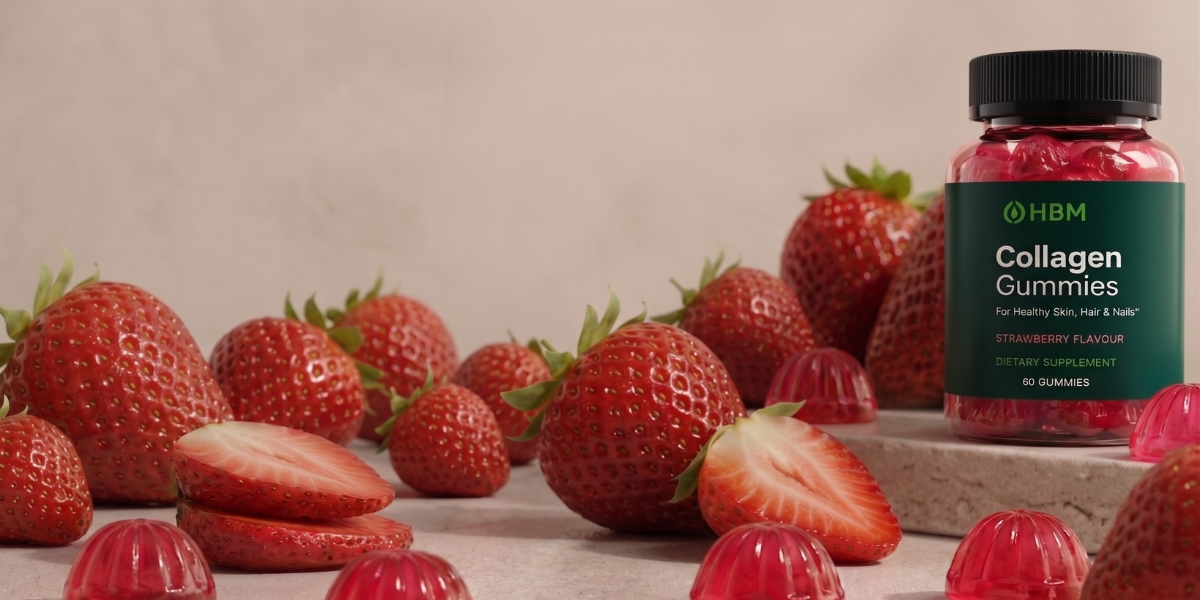
- Ingestible collagen to support systemic dermal structure
This inside-out model reflects a broader shift in cosmeceuticals and nutraceuticals: skin health is increasingly treated as a multi-pathway biological system, not a surface-only concern.
Final Perspective
Collagen is not ineffective but simply misunderstood when viewed through a single delivery lens.
Topical collagen delivers surface-level cosmetic benefits. Ingestible collagen engages deeper structural pathways over time. Neither replaces the other, and neither should be oversold as a standalone solution.
The most credible formulations today acknowledge this distinction and build strategies that reflect it.
In that sense, the future of collagen is not topical versus ingestible. It is integrated.
For brands developing next-generation cosmeceutical or nutraceutical formulations, these distinctions are not theoretical, they directly shape product positioning, efficacy perception and market success. If you are exploring formulation development or collaboration opportunities, you can reach the HBM team here.