For years, the beauty industry was structured around categories. Skincare, makeup and wellness operated in parallel, each competing for attention, shelf space and consumer loyalty. That model is starting to break down. What’s replacing it is not a new category, but a different way of thinking entirely: beauty as an interconnected system, built around routines, not products.
From Ingredients to Integration
The last decade of beauty is defined by cosmeceuticals and ingredient-led innovation and the next phase is shaped by how those products fit into connected routines. At the same time, consumers are still paying attention to ingredients, efficacy and claims, but that’s no longer relevant. What matters now is:
- how products work together
- where they fit within a routine
- and whether they align with daily habits
Research from McKinsey & Company highlights that younger consumers are increasingly prioritizing wellness, skincare efficacy, and integrated routines over single-product solutions.
Routines Are Replacing Categories
Consumers don’t engage with beauty through isolated products. They move through sequences:
cleanse → treat → prep → enhance
Each step is connected. Each decision is influenced by the one before it. The shift is visible in the collaboration between e.l.f. Cosmetics and Bubble Skincare. This didn’t only show partnership but an example of category integration.
Rather than expanding internally, brands are aligning externally to cover more of the consumer journey, more efficiently.
Beyond the Shelf: Expanding the Beauty System
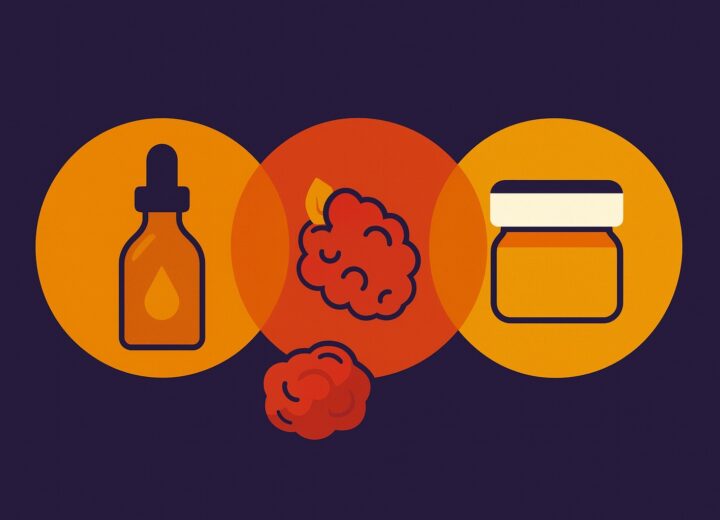
More importantly, the shift toward interconnected beauty doesn’t stop at skincare and makeup. It’s extending into adjacent categories that support the same outcome: skin health. We’re seeing this in different ways:
- rhode continues to reinforce treatment-led skincare, focusing on managing skin rather than masking it
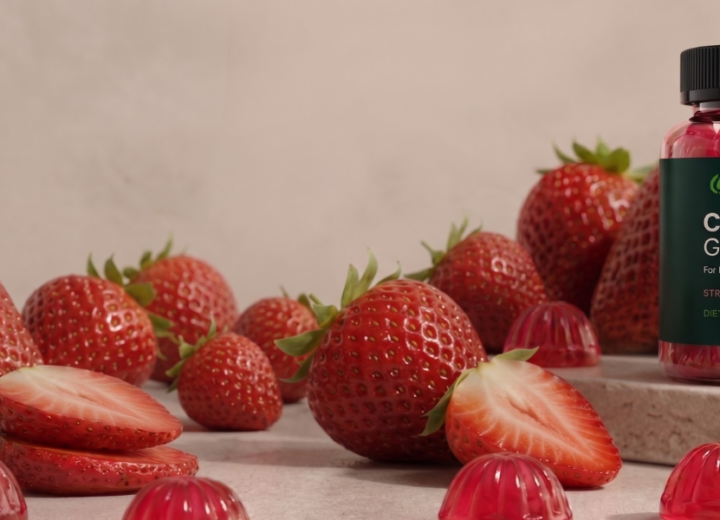
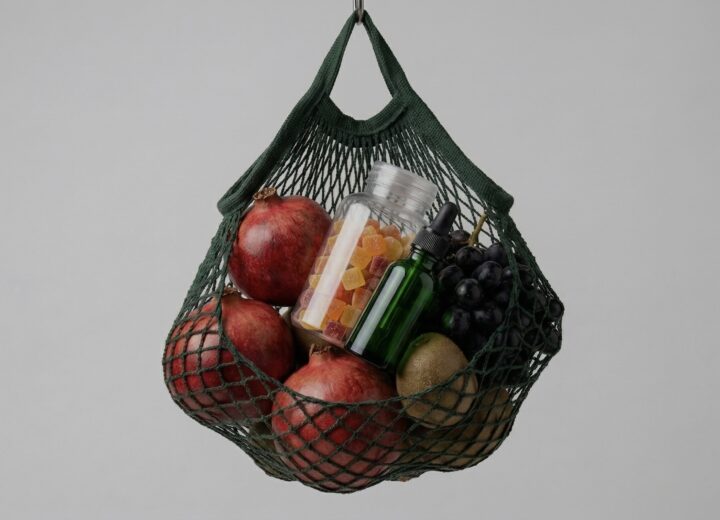
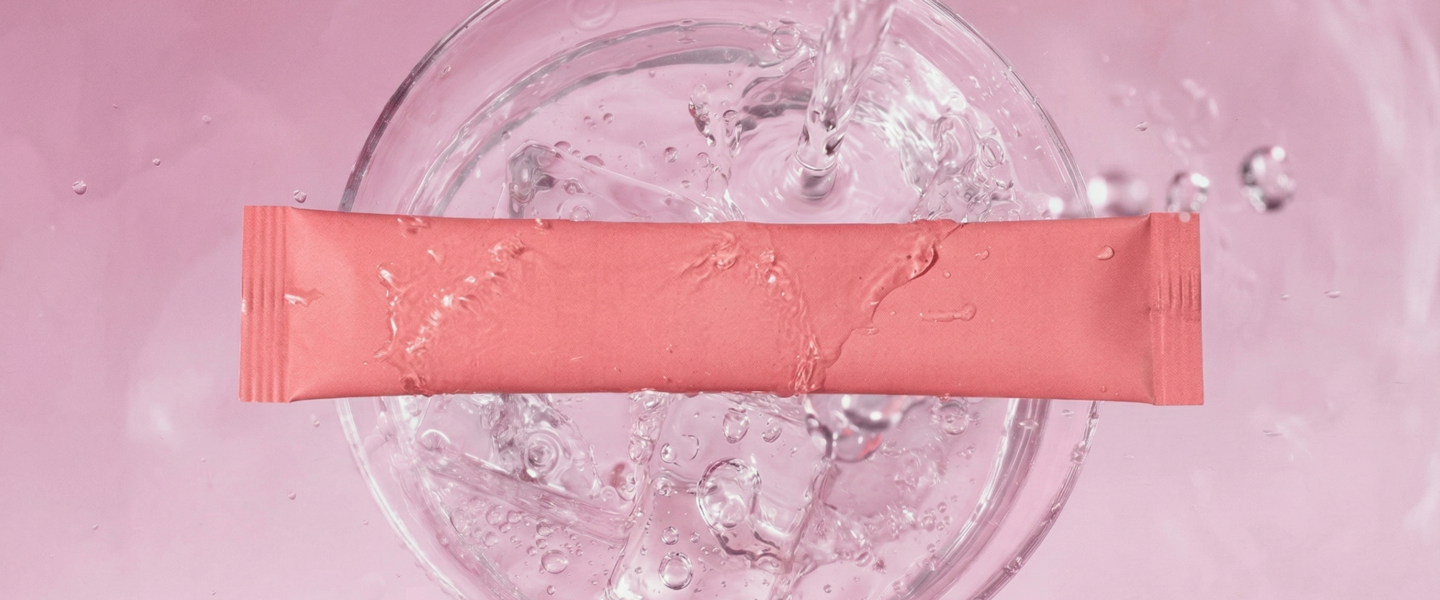
- Sprinter moves into ingestible formats, positioning hydration and supplementation as part of the beauty routine
According to data from Statista, the global skincare market continues to outpace other beauty categories, reinforcing the growing emphasis on skin health as the foundation of beauty. Different categories, but a shared direction: Integration across the broader lifestyle surrounding skin.
From Products to Systems
As a result, this is where the real shift becomes clear. Beauty is now being built as a structured system:
- topical products
- treatment solutions
- ingestible formats
- daily rituals
Each component contributes to the same outcome, skin health, appearance and maintenance. For brands, this changes the competitive landscape. The questions being asked are no longer: “How do we outperform another product?” But rather: “How do we remain relevant within a consumer’s routine?”
"Category leadership is being replaced by routine relevance, brands are no longer competing on shelves, but within systems."
What This Means for Brands: Three implications stand out:
1. Relevance is contextual
Products need to fit within a broader routine, not exist in isolation
2. Collaboration accelerates capability
Partnerships can extend reach across categories without rebuilding from the ground up
3. Ecosystems create stickiness
The more integrated a brand becomes within daily habits, the harder it is to replace
Where This Is Going
The collaboration between e.l.f. Cosmetics and Bubble Skincare is one expression of a larger shift.
At a broader level, across the industry, brands are; moving beyond category boundaries, integrating across skincare, makeup and wellness, building around routines rather than standalone products. Brands no longer build beauty product by product. It’s becoming an interconnected ecosystem, shaped by how consumers actually live, not just how products are sold. And the brands that understand that won’t just participate in the market.
They’ll help define it.
For brands looking to develop formulations that align with this shift, get in touch with our team to explore how we can support your next product strategy.