Bioavailability Is the Real Constraint in Nutraceutical Performance. In nutraceutical science, formulation quality is often assumed to be the primary determinant of effectiveness. However, the real limiting factor is not what is formulated, it is what is absorbed. Many active compounds, including antioxidants, polyphenols and micronutrients, demonstrate poor systemic uptake when delivered through conventional oral formats. As a result, even high-dose formulations may show limited physiological impact. This gap between intake and absorption is where bioavailability becomes the defining performance metric.
Why Absorption Efficiency Changes Everything
Many active compounds demonstrate poor intestinal uptake, limiting systemic effects. Lipid-based delivery systems help address this limitation. Consequently, systemic processes such as oxidative stress regulation, inflammation modulation and cellular repair receive inconsistent support.
Improving absorption efficiency therefore does not simply increase “nutrient levels”, it alters biological availability at the cellular level, where functional outcomes are determined.
This is where advanced delivery systems become relevant, particularly liposomal encapsulation.
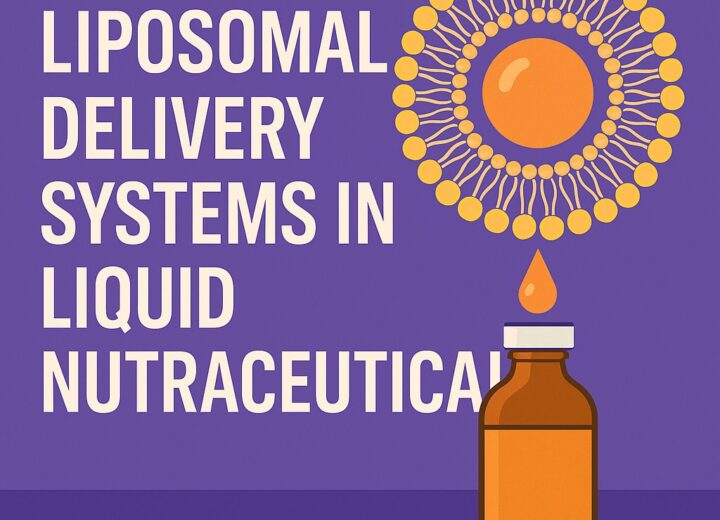
Liposomal Delivery as a Bioavailability Enhancer (Not a Manufacturing Concept)
Rather than focusing on production methods, it is more useful to understand liposomal delivery as a transport optimization system.
By encapsulating active compounds within lipid-compatible structures, liposomal systems help protect nutrients during gastrointestinal transit. More importantly, they improve the likelihood that active compounds reach systemic circulation in a usable form.
In functional terms, this translates into:
- Improved nutrient stability in the digestive environment
- More consistent intestinal uptake
- Greater likelihood of systemic circulation availability
Research shows lipid-based carriers enhance absorption of poorly bioavailable compounds such as vitamin C and curcumin.
The Gut-Skin Axis: Where Nutrient Absorption Meets Dermatological Outcomes
One of the most important applications of improved bioavailability is the gut–skin axis.
This biological framework links intestinal absorption, microbiome balance, systemic inflammation, and skin health outcomes. When nutrient uptake improves, downstream effects often extend beyond general wellness into visible dermatological changes.
Improved delivery of antioxidants and anti-inflammatory compounds may support:
- Reduced oxidative stress load
- Improved skin barrier resilience
- Better hydration and elasticity outcomes
- Modulation of inflammatory skin responses
In this context, nutraceutical performance is not measured solely in blood nutrient levels, but in visible and functional changes in skin physiology.
Why Delivery Systems Now Matter as Much as Actives
Traditionally, nutraceutical formulation focused heavily on selecting high-potency ingredients. However, modern formulation science has shifted this perspective.
Today, two products with identical actives can produce completely different outcomes depending on how effectively those actives are absorbed.
As a result, delivery systems have become a critical design variable in:
- Skin-focused nutraceuticals
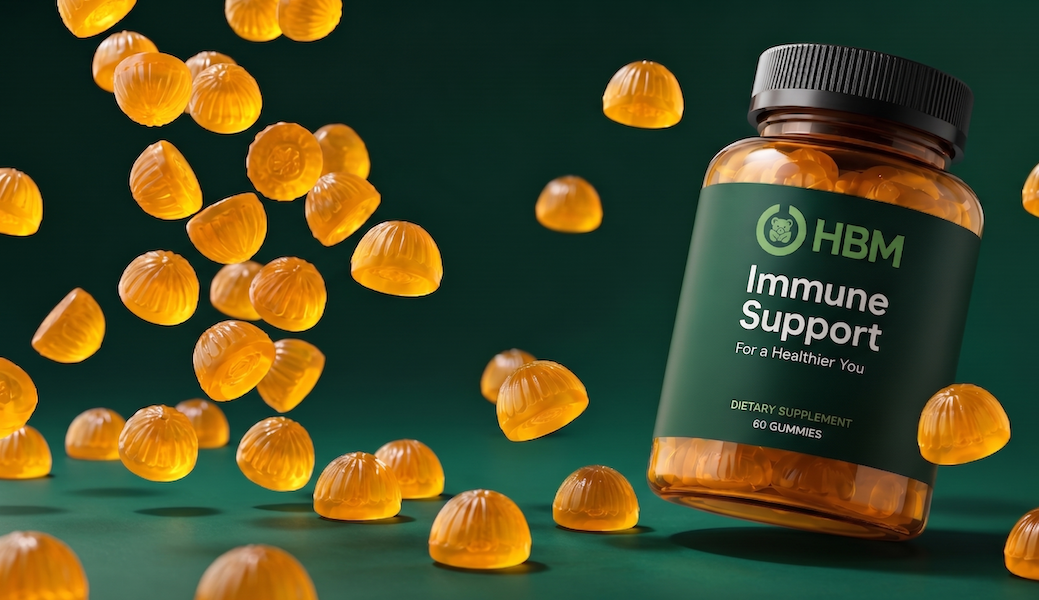
- Immune support formulations
- Anti-ageing and antioxidant systems
- Functional wellness products targeting systemic inflammation
Improved bioavailability does not replace actives, it determines how much of their potential is actually realised in the body.
Our Perspective
Liposomal delivery represents a broader shift in nutraceutical design thinking: from ingredient potency to absorption efficiency.
By improving systemic availability, liposomal systems indirectly influence downstream biological pathways, particularly those connected to inflammation, oxidative stress, and skin health via the gut–skin axis.
This positions bioavailability not as a technical detail, but as the central determinant of functional performance in modern nutraceutical systems.
For collaboration or formulation enquiries, reach out here.