Creatine is gaining renewed attention within nutraceutical science and formulation strategy. While historically associated with sports nutrition, current research and consumer trends are placing it within broader discussions around healthy aging, women’s health, cognitive performance, and preventative wellness. This shift is influencing not only how creatine is studied, but also how it is formulated, delivered and positioned in modern supplement systems.
Creatine Preventative Wellness and the Shift in Modern Supplement Use
Creatine preventative wellness is emerging as a key theme in modern nutraceutical formulation, particularly in women’s health and cognitive support.
Consumers now evaluate supplements through a different lens. Daily energy stability, cognitive endurance, physical resilience and long-term functional health all sit within that expectation.
Within this context, creatine becomes relevant in ways that extend beyond training environments. Its biological role in energy availability places it inside broader conversations about sustained human function.
Cellular Energy as a Core Mechanism of Interest
Creatine contributes to ATP regeneration. This is central to cellular energy metabolism. Importantly, this process does not only support muscle tissue. It also extends to organs with high energy demand, including the brain.
As a result, research interest has expanded beyond traditional sports applications.
The International Society of Sports Nutrition recognises creatine as one of the most extensively studied ingredients in sports science. International Society of Sports Nutrition However, newer research continues to explore broader physiological relevance.
Women’s Health and the Shift Toward Functional Preservation
Interest in creatine within women’s health has increased. This aligns with a broader focus on musculoskeletal preservation.
In particular, age-related muscle decline has become a key concern. It affects strength, mobility, and independence over time.
Therefore, nutritional strategies now focus on long-term functional support rather than short-term performance.
Creatine is being studied within this context. It is often examined alongside resistance training in healthy aging protocols.
Cognitive Performance and Energy Demand
The brain requires a constant supply of energy. Without it, cognitive performance declines.
For this reason, creatine is being explored in cognitive wellness research. It may support energy buffering during periods of stress or fatigue.
However, findings remain exploratory. Researchers continue to investigate its neurological relevance.
The National Institutes of Health supports ongoing research across neurological and metabolic systems. National Institutes of Health In addition, studies are expanding into aging-related cognitive performance.
Formulation Formats and Consumer Behaviour
Supplement delivery now plays a major role in product success. This is especially true in mainstream wellness markets.
Powders remain dominant in sports nutrition. However, consumer behaviour is shifting.
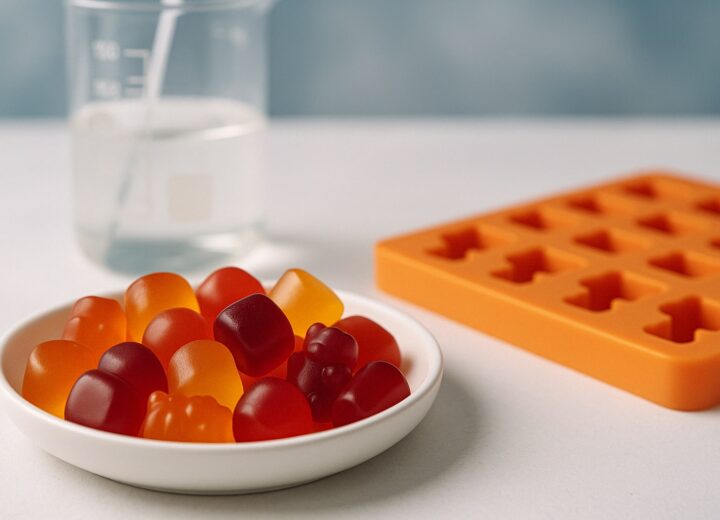
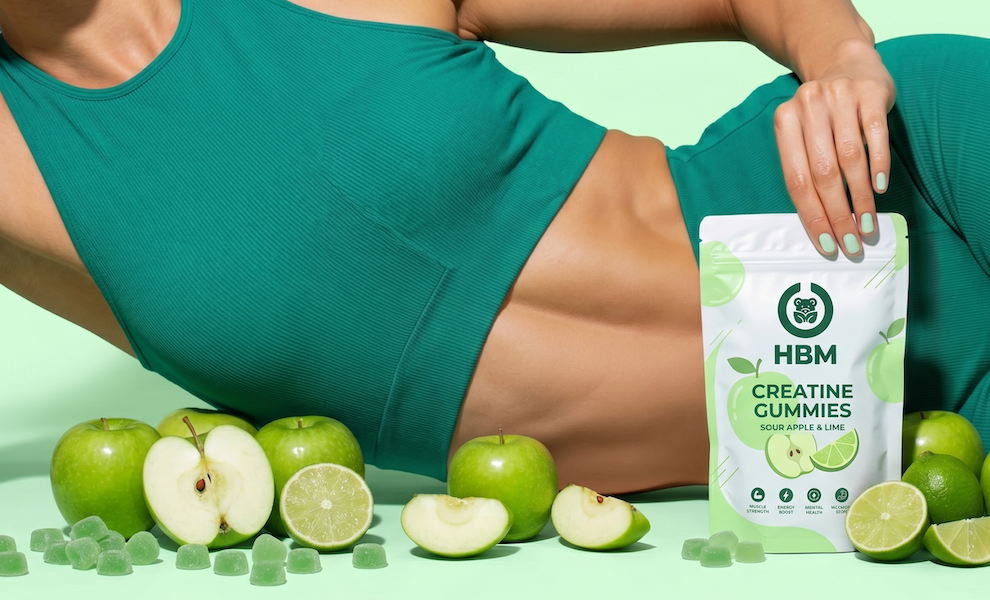
Gummies, soft chews, and ready-to-use formats are gaining traction. They offer convenience and improved adherence.
Consequently, delivery systems now influence long-term supplementation outcomes.
A Category Moving Toward Preventative Wellness Logic
Creatine continues to gain attention across nutraceutical categories. This is driven by its role in energy metabolism.
In addition, its relevance is expanding into broader wellness frameworks. These include longevity, cognitive resilience, and functional aging.
As formulation strategies evolve, creatine is being integrated into multi-system wellness products.
This shift reinforces the role of creatine preventative wellness in the next generation of nutraceutical development.
Partner With HBM for Advanced Nutraceutical Manufacturing
HBM works with brands developing science-led nutraceutical products designed for modern wellness categories, including sports nutrition, cognitive support and preventative health systems. This shift reinforces the role of creatine preventative wellness in the next generation of nutraceutical development.
Explore some collaboration opportunities with us here: HBM Nutra Contact