1. Introduction
Creatine science has long been one of the most researched and widely used supplements in sports nutrition. Historically embraced by athletes and bodybuilders, it was pigeonholed as a performance enhancer for strength and power. But today, a new wave of research has dramatically broadened our understanding of its benefits. From cognitive enhancement to neuroprotection, creatine is stepping into a new era—and we at HBM are on the leading edge of making it accessible in more advanced, stable formats.
2. The Old Science of Creatine
In the 1990s and early 2000s, creatine monohydrate became the gold standard. Research confirmed its ability to increase phosphocreatine stores in muscle, boost ATP regeneration, and support performance in high-intensity, short-duration exercises. Most studies were conducted on young male athletes, and the supplement’s benefits were largely confined to muscle mass and strength gains.
However, this era also brought a wave of misinformation:
- Myths around kidney damage, dehydration, and muscle cramps were widespread, despite lacking solid evidence.
- Loading phases (20g/day for 5-7 days) were recommended, leading to side effects like bloating.
- Delivery formats were limited to powders and capsules, often gritty and inconvenient.
Creatine was effective, but the experience and perception were limited.
3. The New Science of Creatine
Over the last decade, creatine has undergone a renaissance in the scientific community:
- Cognition & Mental Health: Studies have linked creatine supplementation to improved working memory, processing speed, and resilience to mental fatigue. Promising data also suggest benefits in depression and neurodegenerative diseases.
- Aging & Muscle Wasting: Older adults benefit from creatine’s support for muscle preservation and function.
- Metabolic Health: There is growing evidence of creatine’s role in improving glucose tolerance and metabolic flexibility.
- Non-Athlete Populations: Creatine is now being studied for use in vegetarians, aging populations, and even in children with neurological conditions.
- New Forms: Creatine HCl, magnesium chelate, and buffered creatine aim to improve solubility, reduce GI distress, and enhance uptake, though creatine monohydrate remains the most studied and effective form overall.
4. Comparing the Two Eras
| Aspect | Old Science | New Science |
|---|---|---|
| Focus | Muscle gain, power output | Cognition, aging, metabolic and neuro health |
| Population | Young male athletes | Broader: elderly, vegetarians, clinical populations |
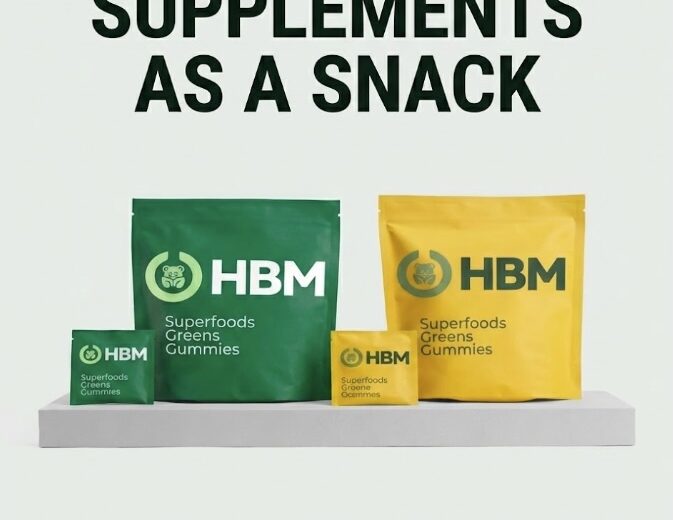
| Format | Powder, capsules | Gummies, chews, liquids, enhanced powders |
| Myths vs. Evidence | High, based on anecdote | Lower, science-driven debunking |
| Dosing strategy | Loading + maintenance | Microdosing, personalized delivery |
The narrative has shifted from “just for the gym” to a multi-system, evidence-based view of creatine.
5. Dosage Forms: Then and Now
Traditional creatine monohydrate powders dominate due to their cost and extensive research backing. However, user experience challenges like poor solubility and taste persist. Capsules offer convenience but require high pill counts to reach effective dosages.
Today’s market demands innovation:
- Gummies & Chews: Taste-forward, easy to consume
- Liquids: Convenient, but often unstable
- Micronized Powders: Improved solubility, less gritty
- Buffered or pH-optimized Creatine: Claimed to enhance stability, though evidence is limited
Consumers want function with form, and delivery method has become a critical factor.
6. Market Challenges with Creatine Products
Not all innovations succeed:
- Gummy Failures: Many products fail to withstand production heat, resulting in degraded creatine and reduced potency. Texture and crystallization are recurring issues.
- Liquid Failures: Some formulations oxidize quickly, forming sediment or losing efficacy. Label claims don’t match stability profiles.
- Flavor vs. Function: Products that taste good often under-dose or use proprietary blends without transparent efficacy.
- High Costs: Creatine HCl and similar variants carry premium pricing without superior bioavailability.
The gap between marketing claims and technical execution has created consumer mistrust and high return rates in some retail channels.
7. Case Study: How HBM Solved the Stability Puzzle
At HBM, our team tackled creatine formulation challenges head-on with robust R&D:
Gummies: Heat-Tolerant Creatine
We developed a proprietary process that allows creatine to remain stable at high temperatures during cooking and deposition. The result is:
- Reliable dosing per piece
- Clean texture and taste
- No crystallization or post-packaging degradation
Liquids: Oxidation-Resistant Formulas
Our R&D team ran pilot batches across multiple pH environments and carrier systems to ensure oxidation stability. We achieved:
- Verified creatine content across test intervals
- Flexible flavoring and sweetening options without reactivity
Every product undergoes:
- Stability testing in accelerated and real-time conditions
- Functional batch trials before commercialization
- QA/QC checkpoints at formulation, production, and packaging stages
This commitment ensures our customers receive functional, trusted formulations ready for mass market.
8. Pricing and Value Comparison
Creatine pricing varies significantly by:
- Source: Global vs. domestic manufacturing, purity levels
- Form: Monohydrate is affordable; HCl and other forms can cost 3–5x more
- Formulation: Convenience formats increase cost (gummies, liquids)
At HBM, we strike the balance between:
- Fair pricing
- Transparent dosing
- Science-backed formulating
- Shelf-stable, consumer-preferred delivery systems
Our belief: Creatine should be effective, enjoyable, and accessible—not overpriced or overhyped.
9. Conclusion
Creatine is no longer just a gym supplement—it’s a critical nutrient with whole-body applications. As science progresses, so must the formats we use to deliver it. At HBM, we’re committed to leading this next chapter with innovation, evidence, and integrity.